When it comes to logistics and transportation, being efficient is pretty much everything, right? One tech that's been gaining ground is the Pusher Axle. It’s a handy component used in heavy trucks and trailers, mainly to boost payload capacity without sacrificing safety. Companies like Transportation Innovations have started adopting this tech to get the most out of their fleets, and honestly, it’s a smart move.
Adding a Pusher Axle can really make a difference. It helps distribute weight more evenly, which means trucks stay more stable, especially on rough or uneven roads. That said, not all operations have jumped on this bandwagon just yet. Some logistics folks are a bit hesitant, mostly because installing and maintaining these axles can seem a little complicated at first.
But honestly, the benefits tend to outweigh those initial challenges. To get the most out of a Pusher Axle, it’s important to understand how it works—so proper training and support are key. As the industry keeps evolving, embracing new tech like this becomes more and more crucial. Staying open to innovation could really pay off in the long run, especially when it comes to finding better ways to work smarter and more efficiently.
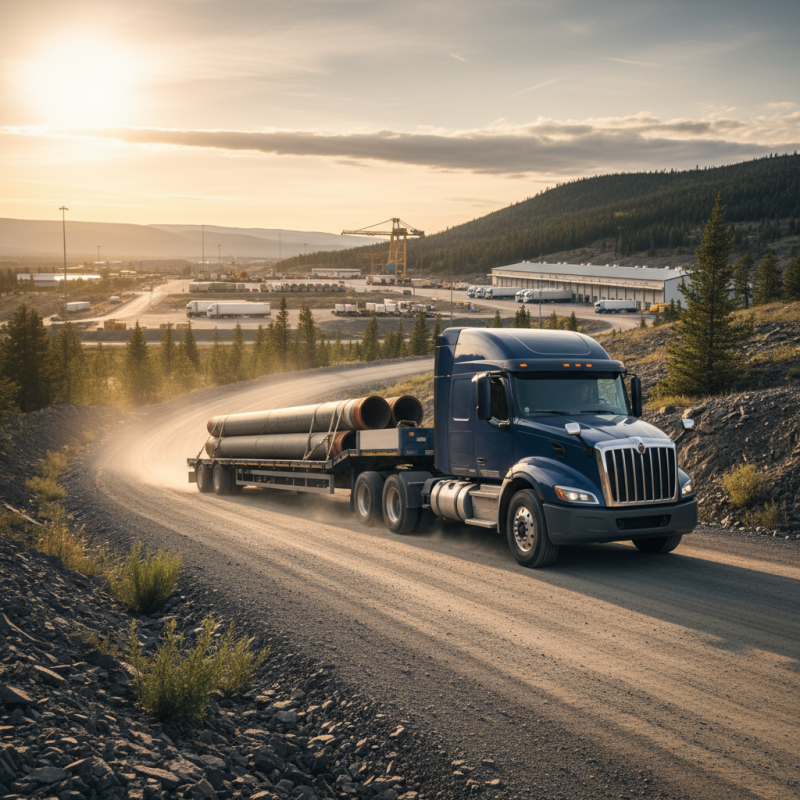
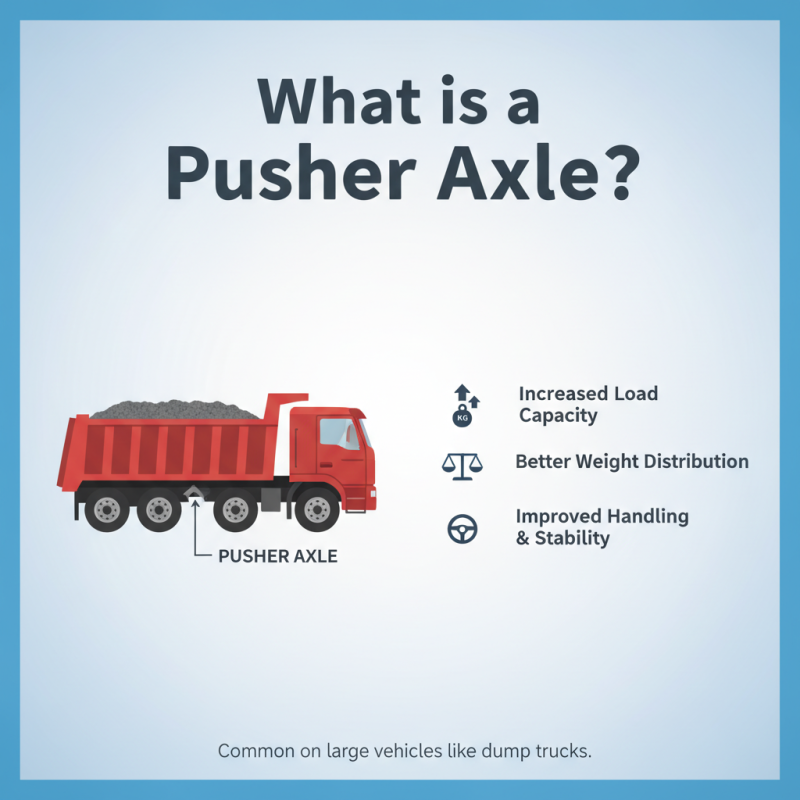
A pusher axle is an additional axle mounted on a truck, typically near the rear of the vehicle. This axle is used to increase load capacity without altering the existing design significantly. You often see pusher axles on larger vehicles like dump trucks. This setup allows for better weight distribution across the truck, leading to improved handling and stability.
When operating a vehicle with a pusher axle, consider the terrain. Uneven surfaces can affect performance. Ensure that the pusher axle is engaged correctly to get the benefits. Regular inspections are crucial to prevent unscheduled maintenance. A well-maintained pusher axle can enhance operations significantly.
Here’s a tip: adjust tire pressure correctly based on load and conditions. This adjustment can improve traction and wear. It’s also essential to measure the load distribution carefully. An imbalanced load can lead to uneven wear on tires and suspension components. For those managing a Single Axle Dump, this attention to detail can make all the difference in performance and longevity.
Pusher axles are complex mechanisms found in heavy-duty vehicles. They allow for better weight distribution, improving overall stability. When utilized, these axles reduce tire wear and extend the lifespan of the vehicle. Recent studies indicate that improper weight distribution can lead to increased operational costs by up to 15%. Pusher axles can be essential in counteracting these inefficiencies.
The mechanics behind pusher axles involve their placement behind the drive axle. This design enhances traction during heavy loads. Notably, vehicles equipped with pusher axles can reduce the risk of tipping, especially on uneven terrain. According to industry reports, around 40% of vehicle accidents in the transport sector are linked to load mismanagement. Pusher axles mitigate this risk significantly.
Moreover, pusher axles help with compliance to weight regulations. Failing to adhere can lead to fines; these can average over $1,000 for overweight vehicles. By redistributing weight, companies can ensure legal compliance while optimizing performance. However, misapplications can lead to operational inefficiencies, proving that the choice of axles should align with specific operational needs.
Pusher axles have gained popularity in the transport sector. They improve vehicle load distribution and increase stability. By enhancing the weight distribution, pusher axles can reduce wear and tear on tires and brakes. Research indicates that vehicles can achieve a 30% increase in payload capacity with these axles. This factor leads to more efficient operations for businesses.
The advantages of pusher axles are particularly relevant for heavy-duty vehicles like the Tri Axle Dump Truck. These trucks often handle significant loads. The addition of a pusher axle can significantly improve maneuverability, especially in difficult terrains. According to industry reports, vehicles with pusher axles can navigate tighter spaces more easily, which is invaluable for construction or urban settings.
However, the implementation of pusher axles is not without challenges. Some users report difficulty in integrating them with existing fleets. Regular maintenance can also be a concern, as added components require attention. Moreover, despite their benefits, not every operation may need this upgrade. Assessing specific operational needs is crucial before investing in pusher axles for a Tri Axle Dump Truck.
The Pusher Axle is a vital component in many heavy-duty vehicles, particularly in dump trucks. This axle significantly impacts load distribution across the vehicle, optimizing stability during operation. Proper load management can lead to smoother rides and reduced wear on components. According to a report by the Heavy Construction Equipment Association, effective load distribution can enhance operational efficiency by up to 30%.
When operating a dump truck with a Pusher Axle, it's crucial to understand its role in maintaining optimal vehicle stability. As loads shift, the Pusher Axle adjusts to counterbalance, reducing the risk of tipping. A study from the American Trucking Associations emphasizes that improper load distribution can lead to accidents, with over 20% of commercial vehicle incidents linked to stability issues.
Tip: Regularly inspect the Pusher Axle to ensure it functions properly. Poor maintenance can lead to uneven wear, affecting load capacity.
Drivers should also consider the effect of load on fuel efficiency. The right axle configuration can lead to better fuel economy. Many operators overlook how load distribution impacts overall vehicle performance. Think about how your load affects each trip. Your operations might benefit from reevaluating your load strategies.
Tip: Balance loads evenly across axles to prevent excessive strain on any one axle. This can prolong the lifespan of your Dump Truck Drop Axle and improve stability on uneven terrain.
This bar chart illustrates the impact of pusher axles on load distribution across different vehicle configurations. Improved stability is observed with the addition of pusher axles, leading to better overall performance.
Pusher axles play a crucial role in enhancing the operational efficiency of heavy-duty trucks. These axles allow vehicles to distribute weight more evenly. This is particularly beneficial when carrying heavy loads. By adding an extra axle, trucks can improve traction and stability. Consequently, this reduces tire wear and prolongs vehicle lifespan.
Fuel efficiency is a major concern for fleet operators. With the integration of pusher axles, statistics show an improvement in fuel consumption. Studies reveal that trucks can achieve up to a 15% increase in fuel efficiency. This is compelling for companies focused on reducing operational costs. However, it is essential to consider that the initial investment for such modifications can be significant. Fleets must weigh the upfront costs against long-term savings.
Many operators report mixed experiences after installing pusher axles. Some experience noticeable improvements, while others see little difference. Factors such as load type and driving conditions play a role in these outcomes. Therefore, conducting thorough evaluations before implementation is vital. This approach can help ensure that the benefits outweigh the potential drawbacks effectively.
| Metric | Value | Benefit |
|---|---|---|
| Fuel Efficiency Improvement | 10-15% | Reduced fuel costs |
| Average Weight Reduction | 200-400 lbs | Improved payload capacity |
| Operational Cost Savings | 5-10% annually | Increased profits |
| Tire Wear Reduction | 20-30% | Lower maintenance costs |
| Return on Investment (ROI) | 2-3 years | Long-term savings |
Pusher axles are becoming increasingly popular across various industries. They effectively increase load capacity while maintaining vehicle stability. One key area of application is in construction, particularly for Single Axle Dump Trucks. These trucks can benefit significantly from added axle support during heavy hauls.
In logistics, pusher axles help improve fuel efficiency. With the enhanced load distribution, fuel consumption can drop by 5-10% according to industry reports. This change can result in substantial savings over time. For operations focused on sustainability, fewer emissions are also a welcome benefit. Heavy machinery uses often overestimates load capabilities, leading to excessive strain. Employing pusher axles can reduce this risk.
Tip: Regularly inspect your axle components to catch wear before problems arise. This can prevent breakdowns and ensure efficient operation.
In the mining sector, pusher axles enable vehicles to transport heavier materials safely. According to a recent survey, companies that adopted pusher axles reported a 20% increase in overall productivity. However, the initial investment can be daunting. Managers must weigh the long-term benefits against upfront costs. Decisions should include considerations of operational efficiency and return on investment.
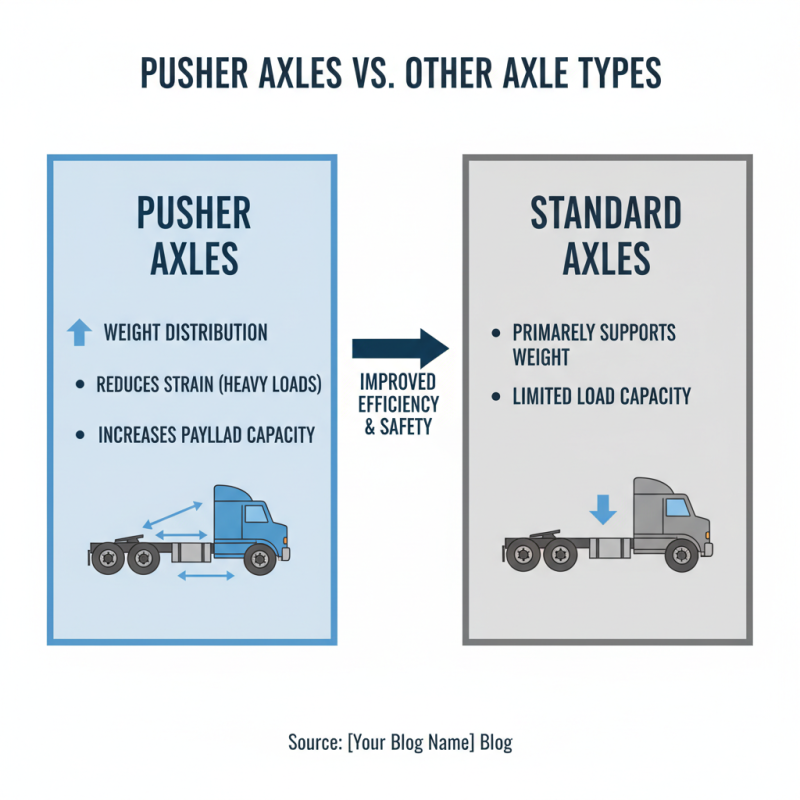
Pusher axles stand out when compared to traditional types of axles. While standard axles primarily support the weight of a vehicle, pusher axles help distribute that weight more efficiently. This design reduces strain on the primary axles, especially during heavy loads. As a result, operators can enhance payload capacity without compromising safety.
Compared to tag axles, pusher axles offer better maneuverability. Tag axles are typically positioned behind the drive axle, while pusher axles sit in front. This positioning allows for improved turn radius and overall handling of larger vehicles. However, operators must consider the potential downside of increased wear on tires, particularly when turning sharply.
Another aspect to weigh is the impact on operational costs. Pusher axles can lead to lower maintenance costs over time, as they share the load across multiple axles. However, the initial setup and installation may require a significant investment. Balancing the short-term costs with long-term savings must be a key consideration for decision-makers.
: A pusher axle is an additional axle on a truck, typically at the rear. It increases load capacity efficiently.
By distributing weight better, a pusher axle enhances stability and handling, especially for heavy loads.
Yes, pusher axles can improve fuel efficiency by up to 15%, reducing operational costs for fleet operators.
Regular inspections are vital. Pay attention to load distribution and tire pressure to prevent issues.
Pusher axles provide better maneuverability than tag axles. However, they may cause increased tire wear when turning sharply.
Some operators see mixed results. The initial investment can be high, and it’s important to consider long-term savings.
Factors like load type and terrain can greatly affect performance. Always analyze conditions before use.
Yes, it allows for better weight distribution, enhancing the payload capacity without compromising safety.
Ensure correct engagement based on terrain and load. Incorrect use can negate the benefits.
Maintenance may require more attention, but shared load typically leads to lower long-term costs.
A Pusher Axle is an additional axle mounted behind the drive axle of a vehicle, primarily used to enhance load distribution and stability. This innovative mechanism allows for better weight management, which can lead to improved vehicle handling and safety, particularly when transporting heavy loads. The mechanics behind Pusher Axles involve their ability to distribute weight more evenly across the vehicle, thus reducing wear and tear on tires and enhancing overall performance.
The benefits of Pusher Axles extend to fuel efficiency, with statistics indicating a potential reduction in fuel consumption due to improved aerodynamics and reduced drag. Various industries, including logistics and construction, utilize Pusher Axles to maximize payload capabilities while maintaining vehicle stability. When comparing Pusher Axles to other axle types, their unique advantages become evident, showcasing them as a valuable asset in modern transportation operations.